
The Allure of Casino Gambling
Casino gambling holds a unique appeal that captivates individuals from various walks of life. The atmosphere of a casino—bright lights, sounds of spinning reels, and the promise of winning—creates an exhilarating experience that can be hard to resist. This environment taps into the human senses, stimulating excitement and anticipation, which are powerful motivators for people to engage in gambling activities. As the conversation around this subject grows, many wonder is sports betting legal in florida and how it fits into the overall landscape of casino entertainment.
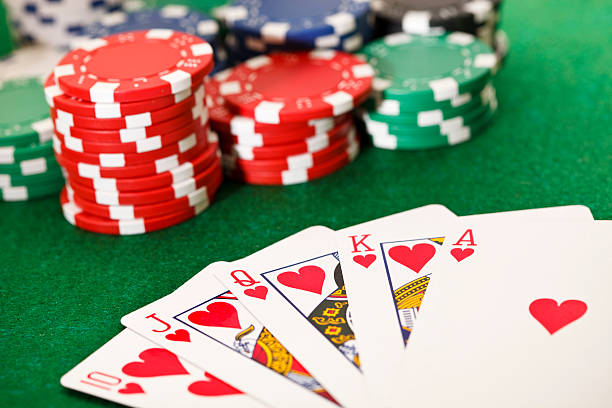
Additionally, the thrill of potentially winning a substantial amount of money can serve as a significant driving force. Many players are drawn by the possibility of a life-changing jackpot, where a small investment could yield large rewards. This potential for financial gain often overshadows the inherent risks of gambling, leading individuals to partake in this high-stakes entertainment.
Psychological Triggers in Gambling
Several psychological factors contribute to the gambling experience. One of the most prominent is the concept of ‘near misses’, where a player almost hits a winning combination. This phenomenon can lead to a cycle of continued play as individuals believe they are close to winning. The brain’s reward system releases dopamine in response to these near misses, further reinforcing the desire to keep playing.
Moreover, the social aspect of gambling cannot be ignored. Many individuals visit casinos not only to gamble but to enjoy the company of others. The shared experience of excitement, combined with the competitive nature of games, creates an engaging social atmosphere that enhances the overall experience. This social interaction often masks the potential negative consequences of gambling, making it seem more acceptable and enjoyable.
The Role of Cognitive Biases
Cognitive biases play a significant role in how individuals approach gambling. Players often fall victim to the ‘gambler’s fallacy’, believing that past outcomes influence future results. For instance, someone may think that a particular slot machine is ‘due’ for a payout after a string of losses, leading to misguided betting decisions. This misunderstanding of probability can result in continued losses and an increased commitment to the game.
Additionally, confirmation bias may lead players to seek out information that confirms their beliefs about gambling success while ignoring data that contradicts them. Such cognitive distortions can enhance the risk of addiction as players justify their behavior and downplay the reality of their financial losses.
Emotional Escape through Gambling
For many, gambling serves as a form of emotional escape. Individuals might turn to casinos as a way to cope with stress, anxiety, or depression. The immersive experience provided by casinos can temporarily distract players from their problems and offer a sense of control through betting decisions. This escapism can quickly turn into a habit, where the individual relies on gambling as a primary coping mechanism.
As players seek to escape their daily struggles, they may develop an unhealthy relationship with gambling. The initial thrill can soon be overshadowed by negative consequences, including financial strain and personal conflict. Understanding this psychological aspect is crucial for addressing problem gambling and promoting responsible gaming behaviors.
Exploring Responsible Gambling Resources
For individuals seeking to engage in gambling responsibly, it’s essential to access reliable resources that promote safe practices. Knowledge about gambling risks and the psychological factors at play can empower players to make informed choices. Responsible gambling initiatives offer tools and strategies to help individuals set limits on their gambling activities, recognize warning signs, and seek help if needed.
By prioritizing education and awareness, platforms dedicated to gambling insights can help foster a safer environment for players. Engaging with such resources can enhance the overall gambling experience, ensuring it remains a form of entertainment rather than a source of distress.